Overview of the Stoppage
The Trump administration has effectively halted the development of onshore wind energy in the United States by citing national security risks, marking a significant escalation in the president's broader push against renewable energy sources. According to the American Clean Power Association (ACP) and sources close to the matter, approvals for roughly 165 onshore wind projects on private lands have been stalled by the Department of Defense.
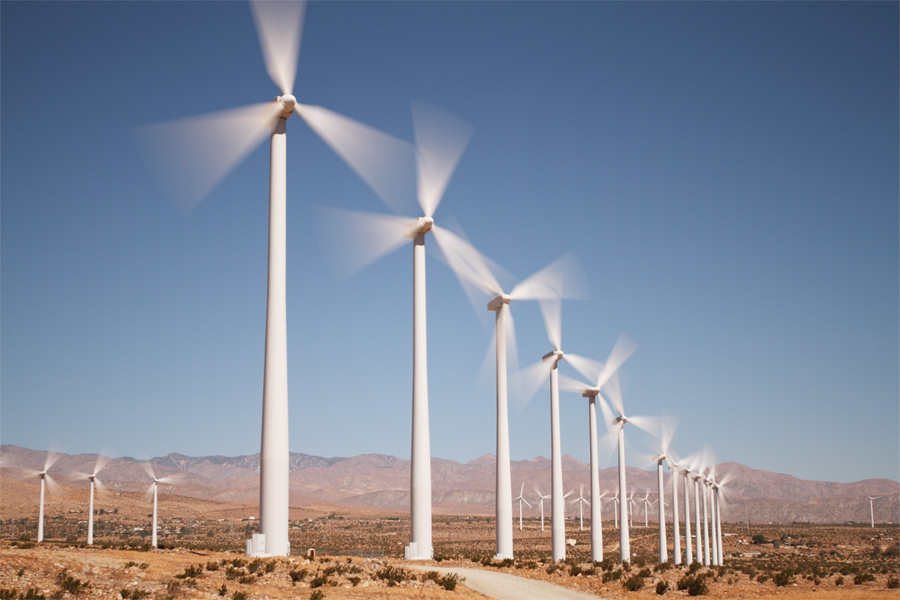
These projects include wind farms that were awaiting final sign-off, others that were mid-negotiation, and even some that would ordinarily not require review by the Department of Defense. The move has broad implications for the renewable energy sector, which had been anticipating steady growth under existing regulatory frameworks.
The Scope of the Stalled Projects
The ACP reports that the number of affected projects is unprecedented. The stalled projects span multiple states and represent a significant portion of the onshore wind pipeline. Developers have been left in limbo, unable to proceed with construction or secure financing for projects that were previously near completion.
The normal process for wind farm approval requires a routine sign-off from the Defense Department to ensure the turbines do not interfere with military radar systems. This typically involves a risk assessment, after which the developer may pay a fee for the military to upgrade its radar filtering technology to properly track aircraft despite the presence of windmills. In some cases, projects located far from military installations or flight paths may be deemed no risk at all and receive quick clearance—sometimes within days.
However, the current administration has widened the scope of national security reviews, effectively freezing approvals for even low-risk projects. This represents a sharp departure from previous practices under both Republican and Democratic administrations, where such reviews were generally expedited.
National Security Rationale
The Department of Defense has argued that wind turbines can create radar clutter, potentially obscuring low-flying aircraft or interfering with military training operations. While these concerns are not new, the administration's decision to apply them broadly and delay all pending approvals is unprecedented.
Critics, however, point out that modern radar technology and mitigation strategies—such as radar filters and software upgrades—have long been effective at reducing interference from wind farms. The military itself has collaborated with developers in the past to install these solutions, allowing projects to proceed without compromising security. The sudden halt suggests that national security may be a pretext for a broader policy agenda aimed at undermining renewable energy.
Industry Response and Impact
The renewable energy industry has reacted with alarm. The ACP has called on the administration to resume approvals, noting that the delays threaten billions of dollars in investment and thousands of jobs. Wind energy is a major economic driver in rural areas, providing lease payments to landowners and tax revenue to local communities.

The stalling of 165 projects could also hinder the United States' ability to meet its climate goals. While the Trump administration has prioritized fossil fuels, wind energy has continued to grow in many states due to its cost competitiveness. This abrupt halt may shift investment to solar or natural gas, or simply push developers to abandon projects altogether.
Radar Mitigation Process
To understand the significance of the stalling, it helps to examine the typical radar mitigation process. When a developer proposes a wind farm, the Defense Department performs a radar interference study. If a risk is identified, the developer can agree to fund the installation of a filter upgrade for the affected radar system. This cost is usually a small fraction of the overall project budget. The upgrade allows the radar to distinguish between aircraft and turbine blades, ensuring safety. Once the upgrade is approved and installed, the project receives a no-hazard determination. In many cases, the upgrade itself benefits the military by modernizing aging radar equipment.
The current policy, however, appears to bypass this established framework. Instead of evaluating each project individually, the department has effectively imposed a blanket hold, citing unspecified national security concerns. This has led to accusations that the administration is using a legitimate regulatory process as a political tool.
Conclusion
The Trump administration's decision to stall 165 wind farms on national security grounds represents a dramatic escalation in the conflict between renewable energy expansion and federal oversight. While legitimate concerns about radar interference exist, the established mitigation process has been proven effective. The blanket delay threatens the economic viability of many projects and sends a chilling signal to the renewable energy industry. Moving forward, stakeholders will be watching closely to see whether the administration will resume individual project reviews or continue using national security as a broad rationale for slowing wind development.
For more context on the broader impact of such policies, see the discussion on overview of the stoppage and industry response.