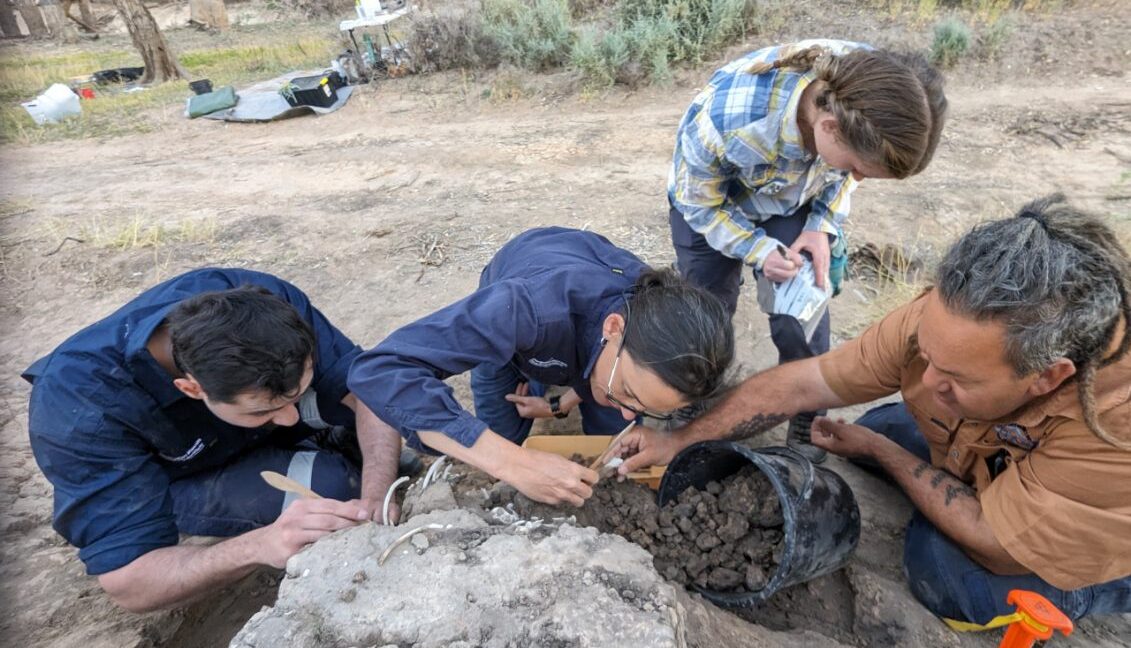
A thousand years ago, the ancestors of today's Barkindji people carefully buried a dingo—called garli in their language—in a mound of shells in what is now New South Wales. New archaeological analysis shows the grave was maintained for generations, mirroring the respect given to human community members.
“Deeply valued and loved” is how study co-author Amy Way, an archaeologist at the Australian Museum and University of Sydney, described the relationship. The findings provide the first clear evidence that ancient Australians treated dingoes with the same ceremonial care as people.
The discovery began five years ago when Barkindji Elder Uncle Badger Bates and National Parks and Wildlife Service archaeologist Dan Witter spotted bones eroding from a road cut in Kinchega National Park, along the Baaka (Darling River). Badger instantly recognized the skeleton as a dingo, lying on its left side within a once-intact mound of river mussel shells.
# Background
Dingoes arrived in Australia at least 3,500 years ago, likely introduced by seafaring people from Southeast Asia. They became integral to Aboriginal life, serving as hunting companions, guard animals, and spiritual symbols. Yet until now, archaeological evidence of close human-dingo bonds was scarce.
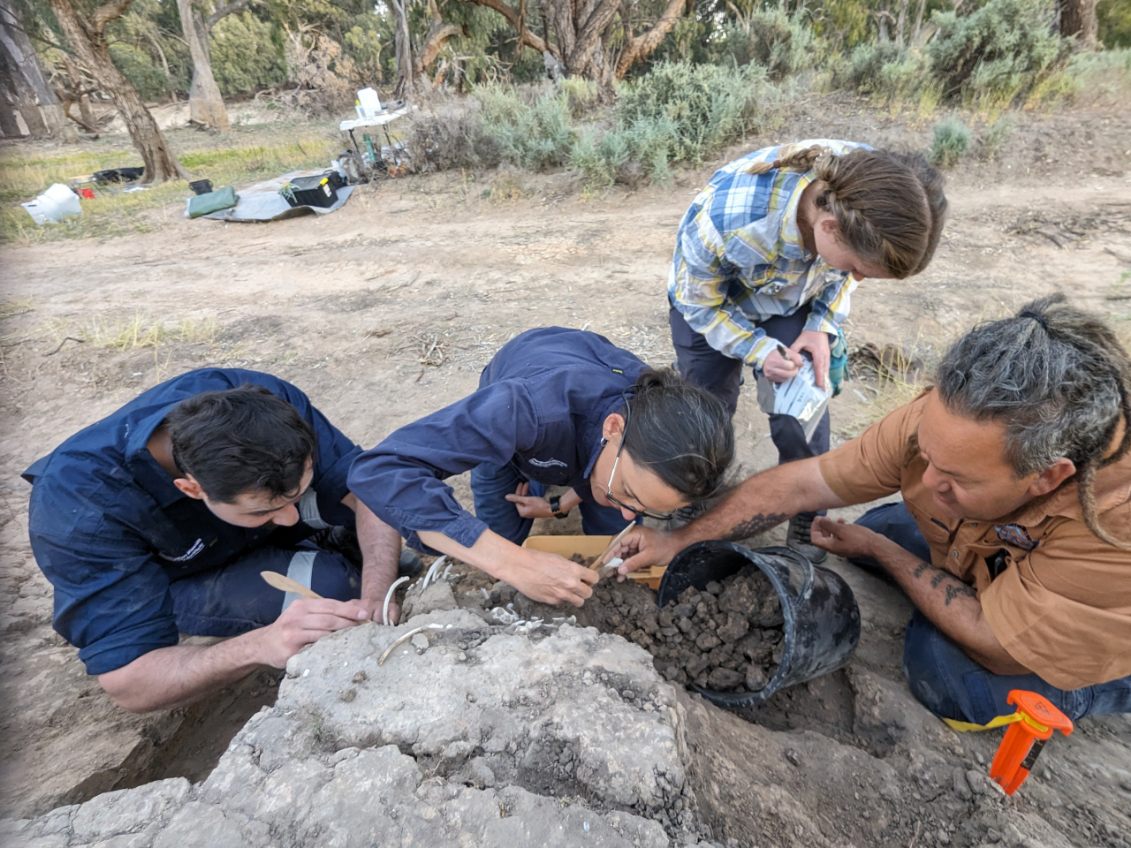
This burial is exceptional because of the deliberate shell mound construction and the sustained grave maintenance. Over centuries, the Barkindji ancestors returned to the site, adding shells and keeping the grave intact—a practice not seen in other Australian canid burials.
# What This Means
The research challenges assumptions that dingoes were solely utilitarian. It suggests that emotional bonds between people and dingoes developed soon after the animals’ arrival and persisted across millennia.
For the Barkindji community, the find reaffirms oral histories about the importance of dingoes. “This is not just archaeology—it’s living culture,” said a Barkindji representative. The grave is now protected, and the story adds to a growing recognition of Indigenous land stewardship and memory.
Experts say the findings could reshape how we understand early human-animal relationships worldwide. “We often think of domestication as a practical step,” Way noted. “But here we see love and mourning—a bond that outlasts a lifetime.”