Incident Overview
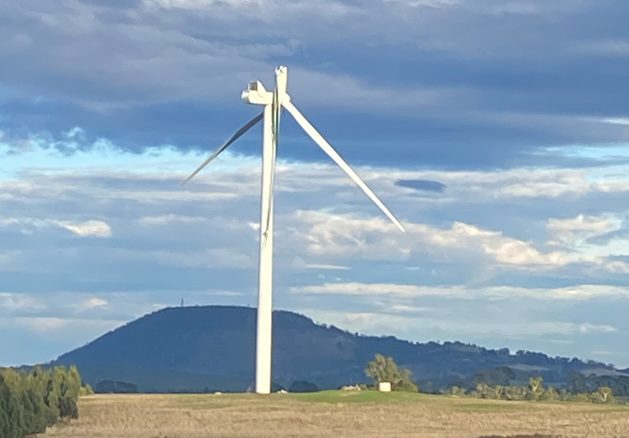
A wind turbine blade has broken and fallen to the ground at a wind farm in Victoria, Australia, reigniting concerns about equipment durability and weather-related risks. The incident occurred at a facility that had previously experienced a similar failure in 2019, attributed to a lightning strike. While no injuries were reported, the event underscores the ongoing challenges of maintaining turbine integrity in adverse conditions.
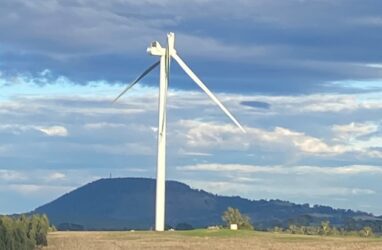
Historical Context: The 2019 Lightning Strike Incident
In 2019, the same wind farm suffered a lightning strike that caused a turbine blade to fracture and fall. That event highlighted the vulnerability of modern wind turbines to extreme weather, particularly electrical discharges. Lightning can compromise blade structure by creating internal heat, delamination, or even direct physical damage. The recurrence of a similar failure raises questions about whether the root cause—lightning—has been adequately addressed through design or maintenance improvements.
Understanding Wind Turbine Blade Failures
Role of Lightning
Lightning is a leading cause of turbine blade damage, as the long, composite blades act as natural lightning rods. When a strike occurs, the intense electrical current can cause:
- Thermal stress that weakens the blade material, often leading to cracks or delamination.
- Puncture or penetration at the point of impact.
- Secondary failures in the blade's internal lightning protection system, reducing future effectiveness.
In the 2019 incident, investigators identified lightning as the trigger. The recent break may have similar origins, though official reports are pending.
Maintenance and Safety Protocols
Wind farm operators follow strict inspection schedules, including visual checks and advanced monitoring using drones or sensors. After a lightning strike, turbines are often taken offline for thorough assessment. However, latent damage—internal flaws that are not immediately visible—can lead to unexpected failures months or years later. The repeated incident in Victoria suggests that post-storm inspection protocols may need enhancement, especially for older turbine models.
Safety measures include:
- Installing upgraded lightning protection systems (e.g., receptors, down conductors).
- Implementing real-time monitoring of blade condition via acoustic or vibration sensors.
- Developing more resilient blade materials, such as carbon fiber composites that better dissipate electrical energy.
Implications for Wind Energy in Australia
Australia's wind energy sector has expanded rapidly, particularly in Victoria, which hosts several large wind farms. Blade failures, while rare, can erode public confidence and increase operating costs. The renewable energy industry must balance the need for rapid deployment with rigorous safety and reliability standards. Lessons from incidents like this one can drive innovation in turbine design and maintenance strategies.
Conclusion
The broken blade at the Victorian wind farm serves as a stark reminder of the natural forces that wind turbines must withstand. While lightning is an unpredictable threat, improved engineering and vigilance can reduce the risk of recurrence. As investigations continue, the industry will likely push for stronger lightning protection and more frequent inspections to safeguard both equipment and nearby communities.