A Surprising Discovery Inside Fat Cells
For decades, scientists believed that a protein called HSL (hormone-sensitive lipase) had a single, straightforward job: breaking down stored fat to release energy when the body needs it. However, a new study has revealed a hidden second function of HSL that upends conventional wisdom about obesity and metabolic health. This protein also operates inside the nucleus of fat cells, where it helps maintain cellular balance and health. Even more striking, individuals and mice lacking HSL do not become obese—instead, they develop a dangerous condition known as lipodystrophy, characterized by severe fat loss and metabolic complications.
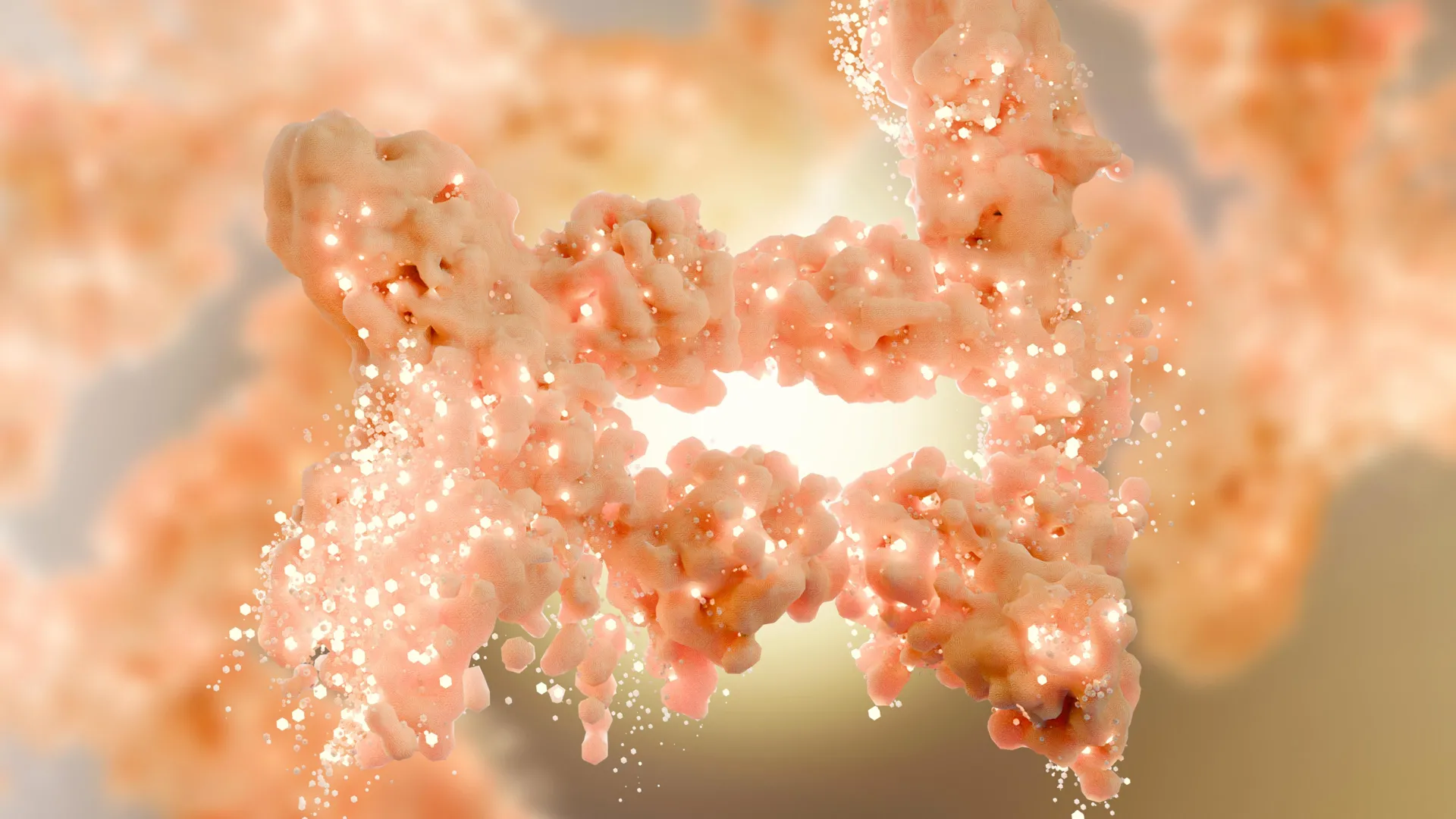
The Dual Role of HSL: Beyond Fat Release
Primary Function—Energy Mobilization
HSL was first identified for its role in lipolysis: the process of breaking down triglycerides into free fatty acids and glycerol during times of fasting or exercise. This mechanism is essential for providing energy to muscles and other tissues. For many years, this was considered HSL's only significant contribution to metabolism.
Nuclear Activity—A New Frontier
Recent research employing advanced imaging techniques has shown that HSL also translocates to the nucleus of fat cells (adipocytes). Once there, it interacts with transcription factors and chromatin, influencing gene expression related to cell differentiation, lipid storage, and inflammatory responses. This unexpected nuclear activity helps keep fat cells healthy and prevents them from becoming dysfunctional—a key factor in obesity-related diseases.
Rewriting Decades of Fat Science
The discovery that HSL has a nuclear function fundamentally alters our understanding of adipose tissue biology. Previously, scientists thought that obesity primarily resulted from an imbalance between energy intake and expenditure, with HSL merely acting as a gatekeeper for fat release. Now, it appears that HSL plays a more nuanced role in regulating the very identity and health of fat cells themselves.
This finding may explain why some individuals with normal or even low body fat percentages still suffer from metabolic syndrome. The health of fat cells—not just their size or number—is critical for systemic metabolic health. The HSL protein's nuclear duties could be a missing piece in the puzzle of why some people develop insulin resistance and type 2 diabetes while others do not, regardless of body weight.
From Obesity to Lipodystrophy: The Paradox of Fat Loss
Perhaps the most counterintuitive result from the study is that the absence of HSL leads not to obesity but to lipodystrophy. Lipodystrophy is a condition marked by the near-total loss of adipose tissue, which paradoxically causes severe metabolic abnormalities such as extreme insulin resistance, high triglycerides, and fatty liver disease—similar to the problems seen in obesity. This paradox underscores the importance of HSL in maintaining functional fat depots.
Without HSL's nuclear activity, fat cells cannot properly develop or store lipids. They become stressed and dysfunctional, triggering inflammation and metabolic chaos. This suggests that some cases of lipodystrophy may be linked to deficiencies in HSL or related nuclear pathways, opening new diagnostic and therapeutic avenues.
Future Research and Therapeutic Potential
Scientists are now investigating whether boosting HSL's nuclear function could help treat both obesity and lipodystrophy. For example, drugs that enhance HSL's nuclear translocation might improve fat cell health in obese individuals, reducing inflammation and insulin resistance. Conversely, in lipodystrophy, therapies that restore HSL activity could help rebuild healthy fat tissue.
Additionally, this discovery prompts a re-evaluation of existing metabolic drugs that target HSL. Many current treatments focus on inhibiting HSL to reduce fat release, but their effect on nuclear processes has been overlooked. New approaches may need to selectively modulate the nuclear versus cytoplasmic functions of HSL to achieve optimal outcomes.
The findings also highlight the value of exploring other proteins traditionally considered simple enzymes for unexpected roles in gene regulation. As technologies for protein tracking and imaging advance, more such hidden functions are likely to emerge, transforming our understanding of cellular metabolism.
For those interested in the original research, further details can be found in reports from major scientific journals covering this breakthrough study. The road from discovery to clinical application is long, but this new perspective on fat cell biology offers hope for more targeted treatments for metabolic diseases.