The crew of NASA's Artemis 2 mission recently witnessed a rare and striking phenomenon during their April 6 flyby of the Moon: multiple impact flashes on the lunar surface, particularly on the far side. These fleeting bursts of light, caused by meteoroids striking the Moon at high speeds, have captivated scientists and mission planners. While cameras aboard spacecraft often struggle to capture these dim events, the astronauts' direct observations provide invaluable data that could reshape our understanding of lunar hazards and the Moon's geological activity.
What Are Lunar Impact Flashes?
Lunar impact flashes occur when small meteoroids—ranging from pebble-sized to larger chunks—collide with the Moon's surface at velocities of tens of kilometers per second. The tremendous kinetic energy is converted into heat and light, creating a brief but intense flash visible from Earth or from spacecraft in lunar orbit. These events are similar to meteor showers on Earth, but without an atmosphere to slow them down, the impacts are more violent and occur frequently.
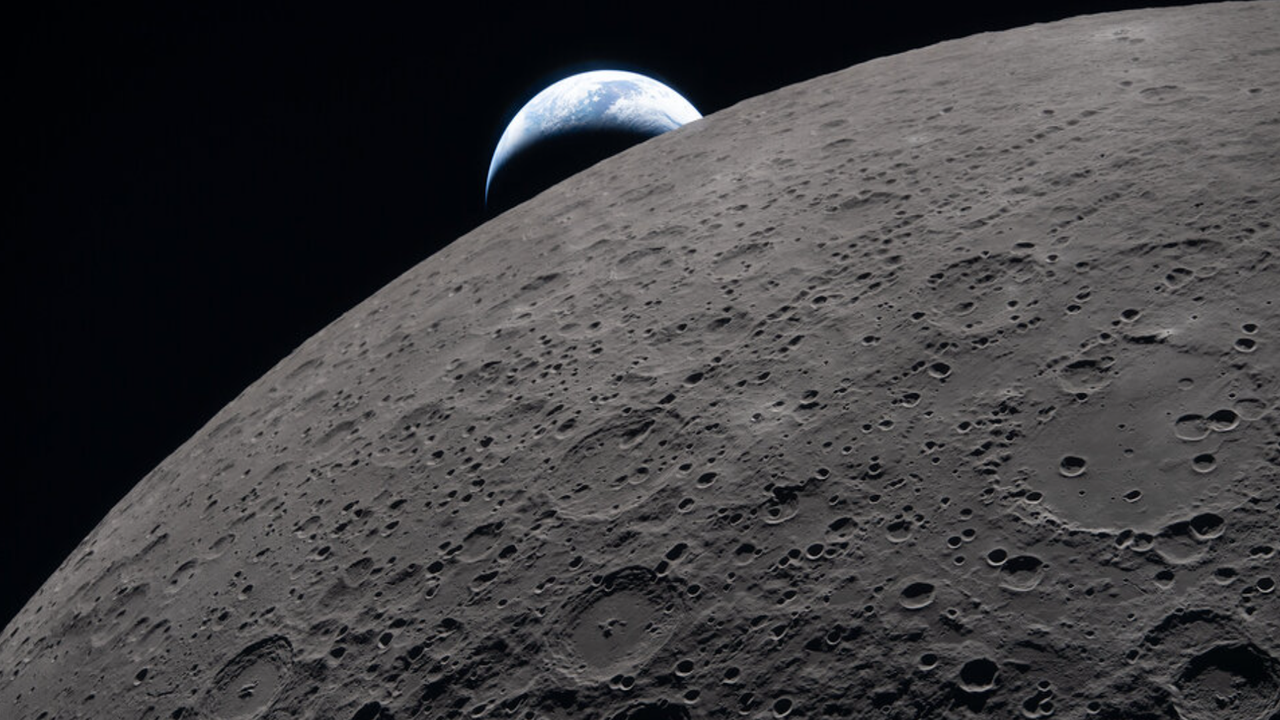
Why the Far Side Matters
The far side of the Moon, which perpetually faces away from Earth, offers a unique vantage point for observing impact flashes without interference from Earth's atmospheric glow or light pollution. However, it also presents challenges: remote sensing is difficult, and few cameras are positioned to monitor that region. The Artemis 2 flyby provided a rare opportunity for human eyes to directly observe these far-side flashes, complementing data from lunar orbiters like NASA's Lunar Reconnaissance Orbiter (LRO).
Why Cameras Struggle to Capture Them
Despite advances in camera technology, capturing lunar impact flashes remains tricky. The flashes are extremely brief—often lasting less than a second—and are very dim compared to the sunlit lunar surface. Traditional cameras with rolling shutters or slow frame rates may miss the event entirely or record only a faint smear. Even dedicated impact monitoring cameras on Earth suffer from atmospheric distortion, while space-based cameras must balance sensitivity with bandwidth and power constraints.
The Artemis 2 astronauts, however, have the advantage of being able to point their eyes—and hand-held cameras—directly at the region of interest in real time. Their ability to report the timing, location, and relative brightness of flashes offers ground truth that automated systems lack. This human-in-the-loop approach could help refine algorithms for future autonomous detection.
Scientific Significance of the Observations
The data from Artemis 2 could have profound implications for planetary science and lunar exploration. Understanding the frequency and energy of impact flashes helps scientists gauge the current impact rate on the Moon, which is critical for assessing hazards for future crewed missions and infrastructure such as habitats or power stations. Moreover, these flashes provide clues about the population of small meteoroids in the Earth-Moon system, informing models of space debris and solar system dynamics.
Links to Artemis Program Goals
The Artemis program aims to establish a sustainable human presence on the Moon, including the planned Artemis 3 landing near the south pole. Knowing when and where impacts occur helps mission planners design safer landing sites and schedules, especially during known meteor showers like the Geminids or Perseids. The far-side observations also support the deployment of seismic and impact monitors on future landers, creating a network to study the Moon's interior structure.
What Scientists Are Most Excited About
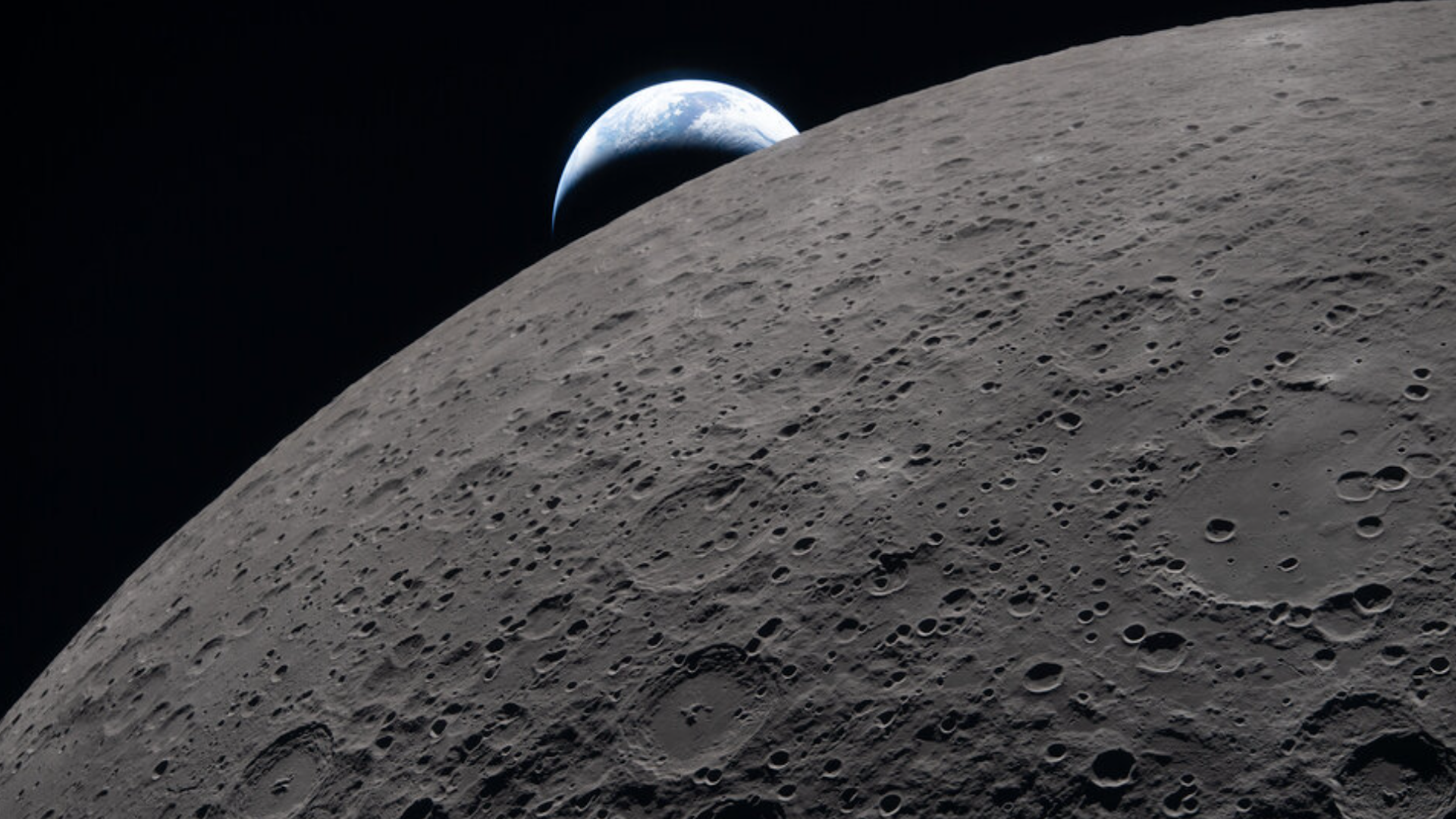
Scientists are particularly excited because these direct observations can calibrate existing models. The flashes seen by Artemis 2 may correspond to specific meteoroids streams or background impactors, enabling cross-referencing with telescopic surveys on Earth. Furthermore, the astronauts' ability to distinguish multiple flashes in quick succession suggests a higher impact rate than previously estimated for the far side, which could revise impact hazard maps.
Another reason for excitement is the potential to link impact flashes with seismic signals. Future lunar seismometers (like those planned for the Lunar Geophysical Network) could detect the ground motion from impacts. If astronauts can confirm the precise time and location of a flash, seismologists can identify the corresponding seismic signature, turning every impact into a natural experiment for studying the Moon's crust and mantle.
Looking Ahead: Future Observations and Implications
The Artemis 2 flyby is just the beginning. Subsequent missions could carry dedicated impact flash cameras, either on the Orion spacecraft or on lunar surface platforms. Astronauts on future missions might be trained to routinely watch for flashes, creating a long-term dataset. Data from these human observations will be combined with automated detections from Earth-based telescopes and lunar orbiters to build a comprehensive impact monitoring system.
As NASA and international partners push toward a permanent lunar outpost, understanding the lunar impact environment is not just a scientific curiosity—it's a matter of safety and operational planning. The flashes witnessed by the Artemis 2 crew have illuminated a path forward for both science and exploration.
For more on lunar impact science, see our article on what lunar impact flashes are and why cameras struggle to capture them.