Fifty years ago, in May 1976, a modest visitor center opened its doors on the campus of NASA’s Goddard Space Flight Center in Greenbelt, Maryland. Trimmed in bicentennial flair, it was designed to share the excitement of space exploration with the public. Today, the Goddard Visitor Center stands as a testament to NASA’s enduring mission of inspiration and education. Here are ten key facts that celebrate its golden anniversary—each revealing a slice of space history and the center’s role in nurturing the next generation of explorers. Whether you’re a space enthusiast or a curious visitor, these highlights showcase how a small building became a big window into the cosmos.
1. A Bicentennial Birth
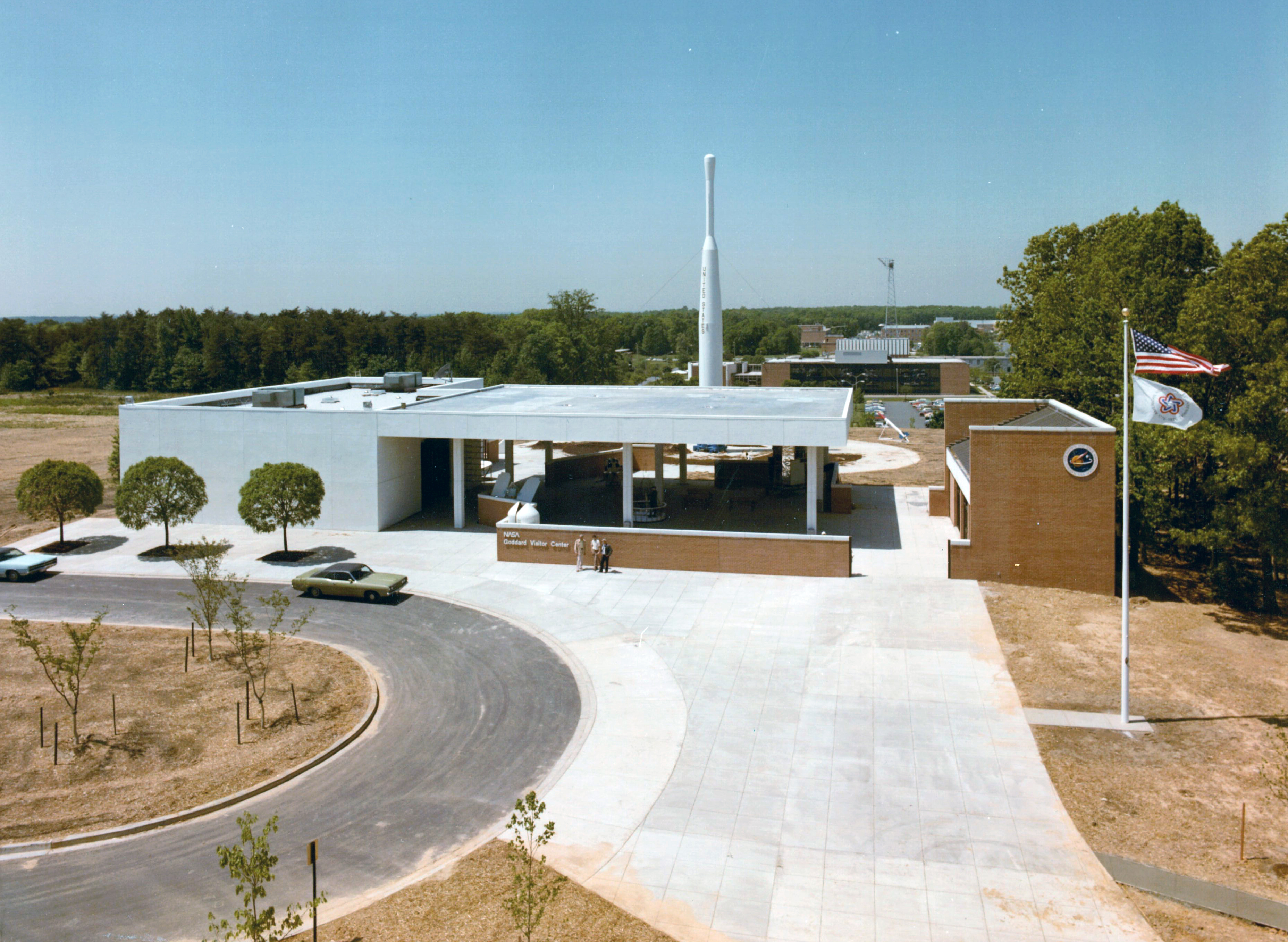
The center opened in May 1976, just a few weeks before the Smithsonian’s National Air and Space Museum in Washington, D.C. Its debut was timed to America’s bicentennial celebrations, and the ribbon-cutting ceremony was a creative twist: instead of snipping a ribbon, a reenactment of Dr. Robert Goddard’s first rocket launch snapped it symbolically. NASA Goddard’s then-director, Dr. John Clark, delivered opening remarks, highlighting the center’s role in fulfilling NASA’s charter to share its work broadly. The original structure was mostly open-air, inviting visitors to stroll through exhibits under the Maryland sky—a far cry from today’s enclosed, interactive space.
2. From Radio Station to Space Hub
The building that became the visitor center originally housed the Bureau of Standards’ WWV radio station. After the station relocated to Colorado in the 1960s, NASA Goddard repurposed the structure for facilities storage. It wasn’t until the mid-1970s that the agency transformed it into a public-facing visitor center. A 1966 aerial photo shows the simple, utilitarian building before its conversion. This adaptive reuse reflects NASA’s resourcefulness—turning a communications outpost into a gateway for space education.
3. A Rocket from the 1964 World’s Fair
One of the center’s most iconic outdoor exhibits is the Delta-B rocket. This full-scale display originally premiered at the 1964 New York World’s Fair, where it captivated crowds with its promise of space access. NASA Goddard managed the highly successful Thor-Delta program during the 1960s and ’70s, which launched numerous scientific satellites. The rocket now stands as a proud sentinel outside the visitor center, and a keen eye in a 1978 photograph can spot a tiny model rocket just taking flight beside it—a nod to the center’s long-standing tradition of model rocket launches.
4. Early Exhibits That Wowed Visitors
When the center first opened, it featured three standout exhibits. First, a full-scale mockup of the Orbiting Astronomical Observatory (OAO), a precursor to the Hubble Space Telescope, gave visitors a tangible look at a space telescope. Second, a phone station allowed guests to transmit their voices 45,000 miles round trip via the Applications Technology Satellite-3 (ATS-3) —a real-time satellite communication demo. Third, an active meteorology station displayed satellite views of Western Hemisphere weather, bringing the atmosphere’s patterns into the building. These hands-on experiences were cutting-edge for their time and set the tone for future interactive learning.
5. The Visitor Center’s Evolving Role
Over five decades, the center has evolved from a simple open-air pavilion into a modern, climate-controlled facility with permanent and rotating exhibits. It now features a simulated mission control center, a moon rock display, and interactive kiosks on exoplanets. The center also hosts public events like “Hubble Science Briefings” and “Solar System Sundays.” This evolution mirrors NASA’s own journey—from Apollo to Artemis—and the center’s commitment to staying relevant for new generations of space enthusiasts.
6. Model Rocket Launches: A First-Saturday Tradition
Model rocket launches have been a mainstay at the Goddard Visitor Center since the 1970s. Originally held sporadically, they now typically occur the first Saturday of each month (weather permitting). Families gather on the lawn to watch small rockets soar, often using kits that replicate historic NASA vehicles. The program emphasizes hands-on STEM learning, teaching principles of propulsion and aerodynamics. It’s a beloved ritual that connects the thrill of launch day with the center’s educational mission.
7. A Hub for Education and Inspiration
NASA Goddard Center Director Cynthia Simmons emphasized the center’s core purpose: “The visitor centers we have maintained at our Greenbelt, Maryland, location and Wallops Flight Facility in Virginia are core to us meeting that charge and fostering the next generation of space explorers.” The center hosts school groups, scout troops, and community organizations, offering field trips and workshops. Its planetarium (added later) provides immersive journeys through the cosmos. Over 50 years, millions of visitors have walked through its doors, many inspired to pursue careers in science, technology, engineering, and math.
8. The Goddard Campus Connection
The visitor center sits at the entrance of NASA’s Goddard Space Flight Center, one of the agency’s largest research facilities. Goddard manages dozens of missions, including the Hubble Space Telescope, the James Webb Space Telescope (operations), and Earth-observing satellites. The visitor center acts as a public face for this scientific powerhouse, showcasing real missions and cutting-edge research. Visitors can learn about Goddard’s work in astrophysics, heliophysics, Earth science, and planetary exploration—all under one roof.
9. A Timeline of Notable Milestones
- 1976: Visitor center opens in May with bicentennial fanfare.
- 1980s: Enclosed building added to protect exhibits.
- 1990s: Hubble-related exhibits become a major draw.
- 2000s: Planetarium and mission control simulation introduced.
- 2010s: Interactive displays on exoplanets and climate change.
- 2026: 50th anniversary celebrations include special events and upgraded exhibits.
Each milestone reflects America’s space journey, from the Space Shuttle era to the Artemis Moon program.
10. Looking Forward: The Next 50 Years
As the visitor center enters its second half-century, plans include new interactive exhibits on lunar exploration and deep-space habitats. The center will also expand its digital outreach, offering virtual tours and live-streamed events. It remains committed to its original mission: sharing NASA’s discoveries with the public and inspiring the explorers of tomorrow. Whether you’re viewing a real satellite replica or watching a model rocket arc into the sky, the Goddard Visitor Center proves that the spirit of discovery never gets old.
From its bicentennial start to its 50th anniversary celebrations, NASA Goddard’s Greenbelt Visitor Center has been a beacon of space education. It’s a place where history meets the future—and where every visitor can touch the stars.